

Aluminum alloy passenger car wheels are widely used in modern vehicles because they combine lightweight performance, durable structure, attractive appearance, and flexible customization options. For vehicle brands, aftermarket distributors, repair shops, wheel importers, and custom wheel companies, choosing the right alloy wheel supplier is not only about design. It is also about fitment accuracy, stable production, surface finish quality, and long-term supply capability.
What Are Aluminum Alloy Passenger Car Wheels?
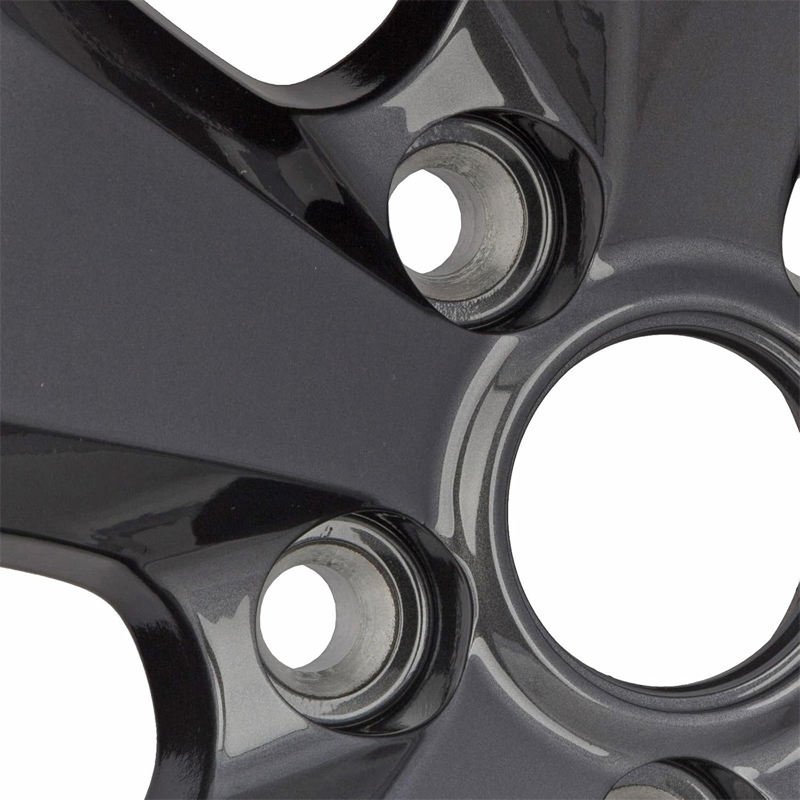
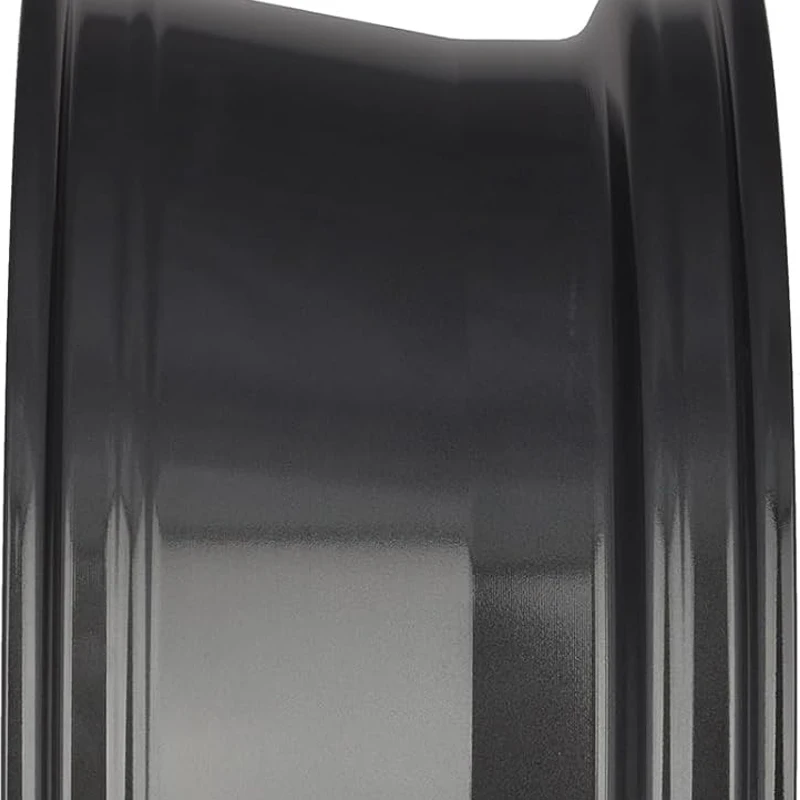
Aluminum alloy passenger car wheels are wheels made primarily from aluminum alloy materials. They are commonly used on sedans, SUVs, compact cars, luxury cars, and performance vehicles. Compared with traditional steel wheels, alloy wheels usually offer lower weight, better appearance, improved heat dissipation, and more flexible design options.
For B2B buyers, aluminum alloy wheels are suitable for OEM supply, aftermarket distribution, vehicle modification, repair replacement, and private label wheel projects.
Key Advantages of Aluminum Alloy Wheels
1. Lightweight Performance
One of the main advantages of aluminum alloy wheels is reduced weight. Lighter wheels can help improve handling response and reduce the load on suspension components. For passenger cars, SUVs, and performance vehicles, lightweight wheel structure is an important selling point.
2. Better Appearance and Design Flexibility
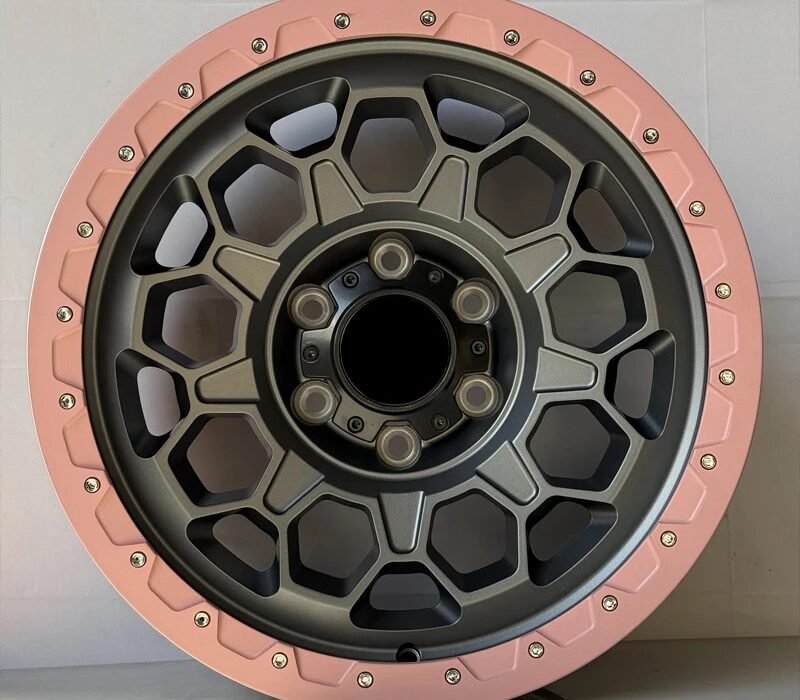
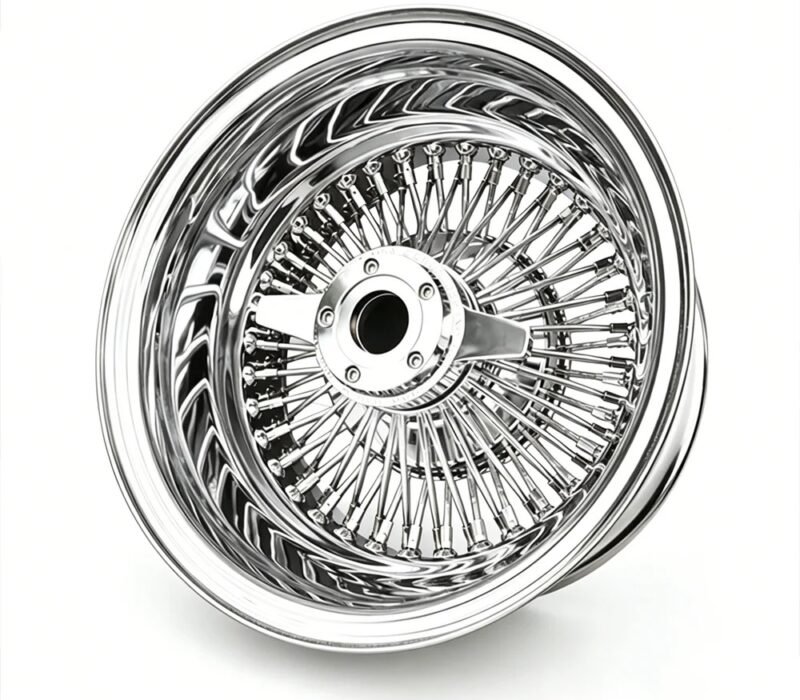
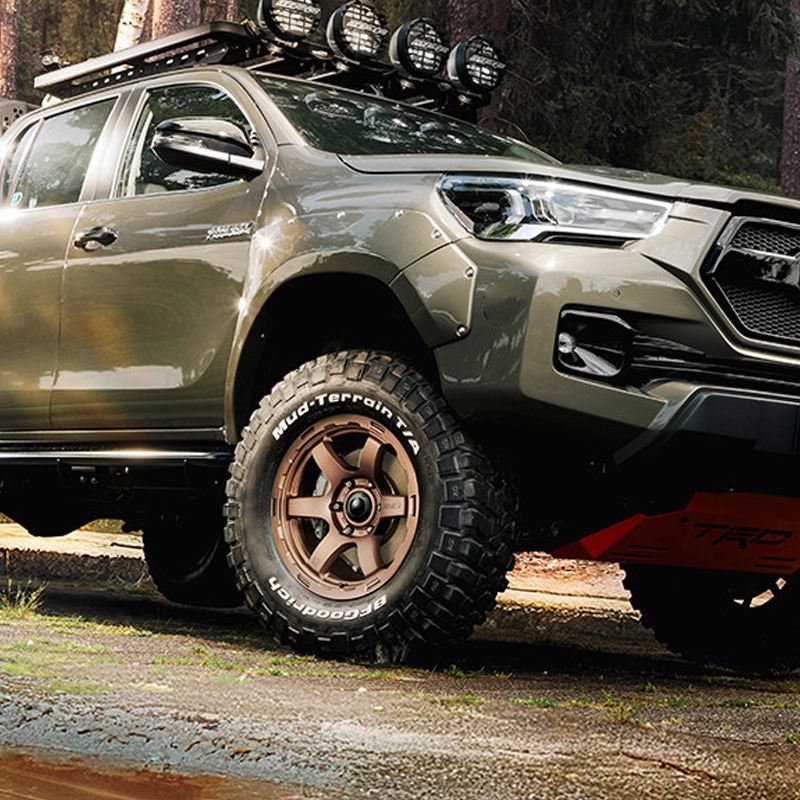
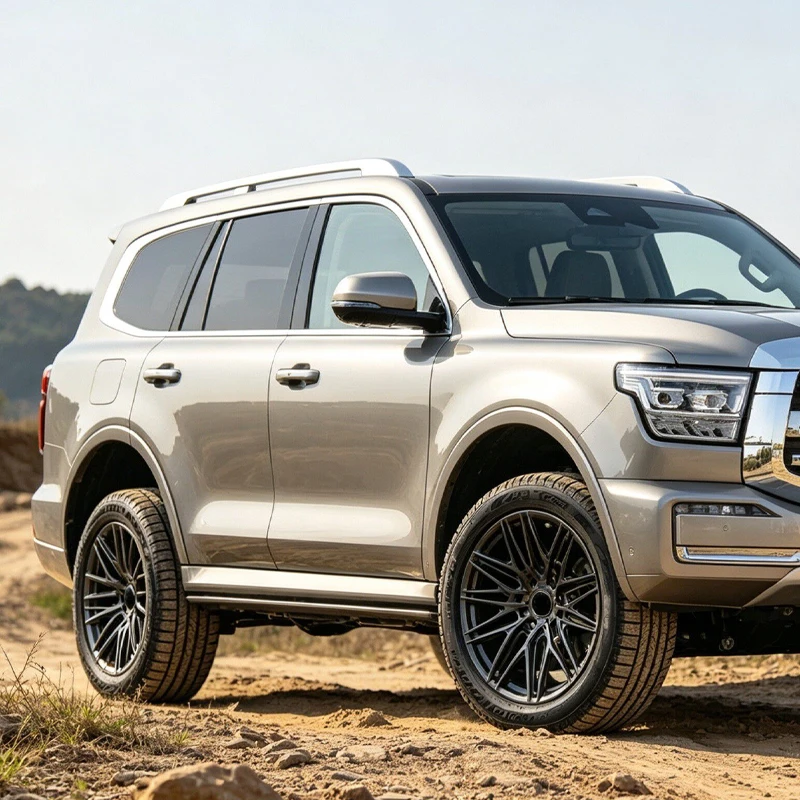
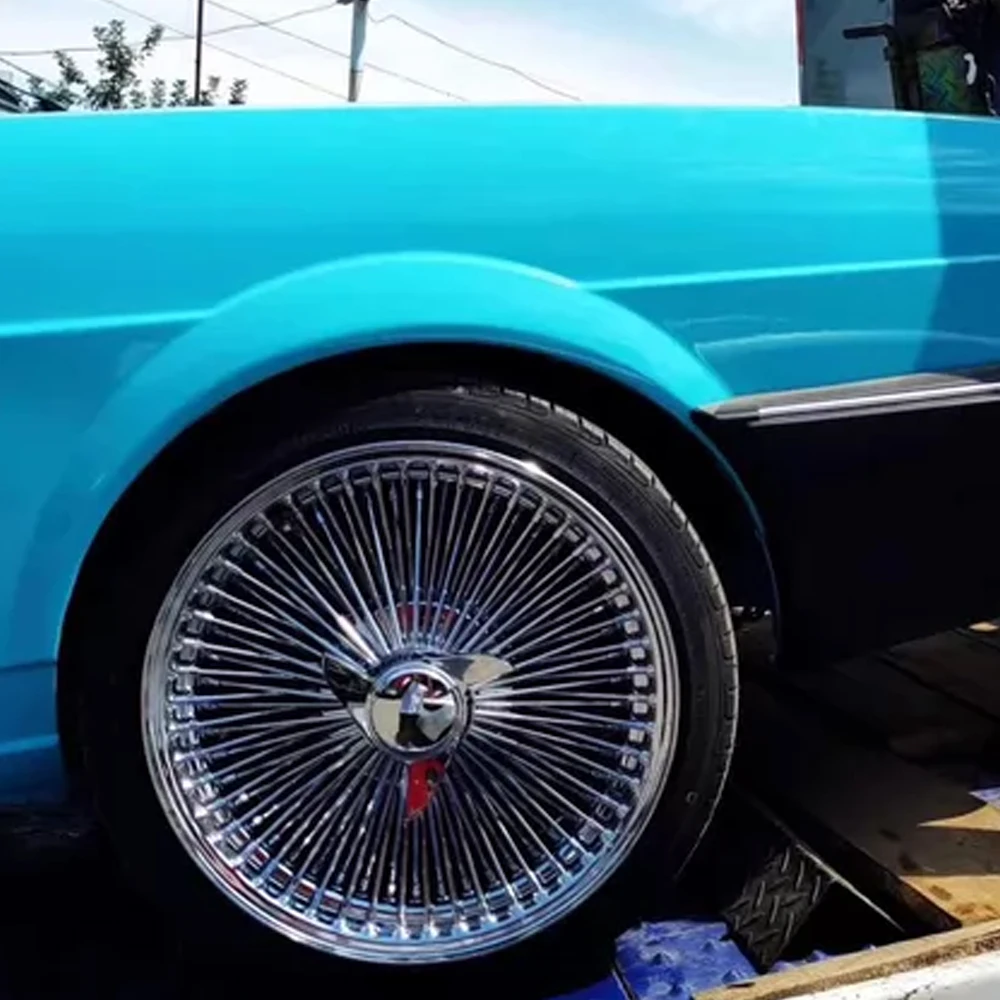
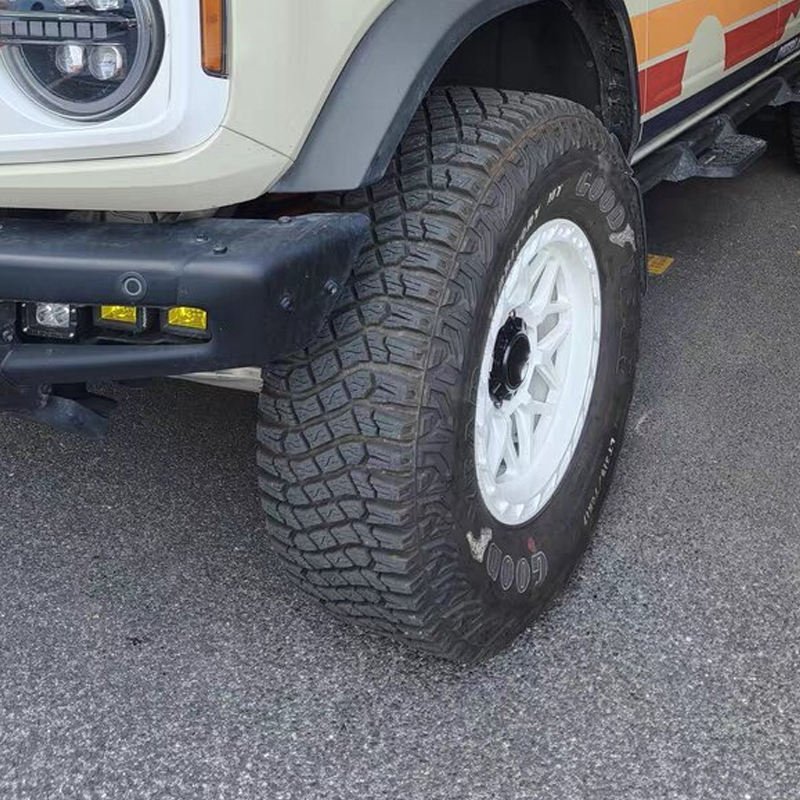
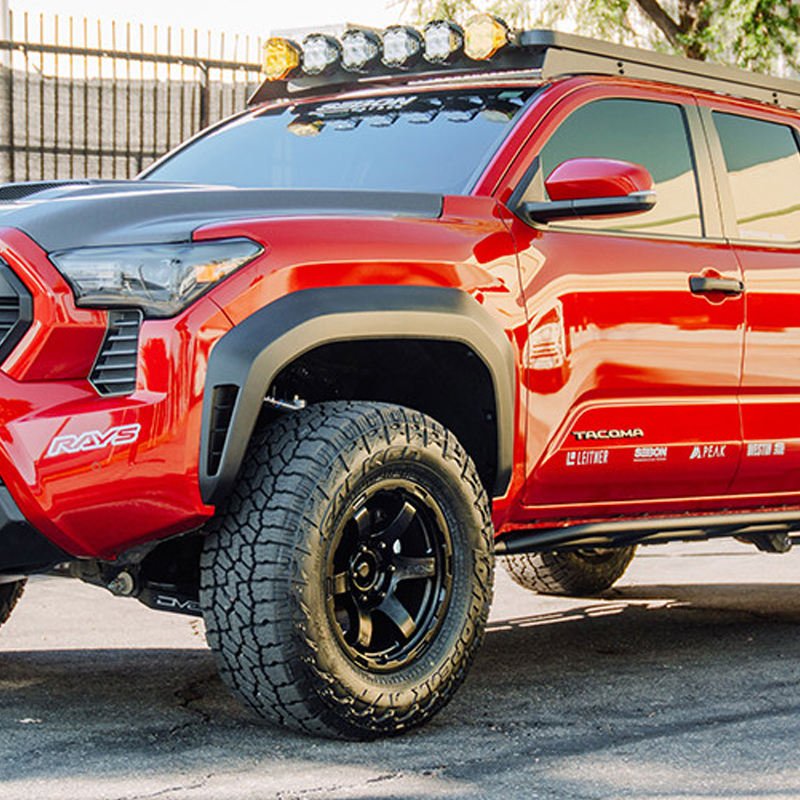
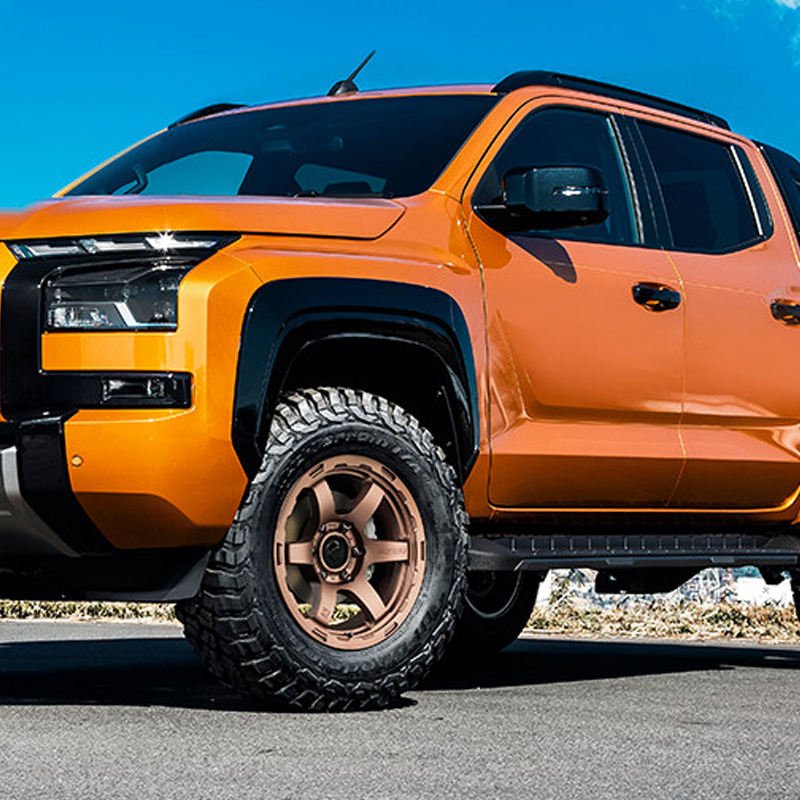
Aluminum alloy wheels allow more design possibilities than traditional steel wheels. They can be produced in multi-spoke, split-spoke, mesh, concave, classic, racing, or customized styles. Surface finishes can include silver, black, machined face, matte black, gloss black, chrome, or custom color options.
3. Good Heat Dissipation
Aluminum alloy has good thermal conductivity, which can help support brake heat dissipation during driving. This is useful for urban driving, highway driving, and performance car applications.
4. Flexible OEM and Custom Options
For importers, distributors, and private label brands, customization is a key requirement. Aluminum alloy passenger car wheels can be customized by size, width, PCD, offset, center bore, surface finish, spoke design, logo, and packaging.
Common Applications of Aluminum Alloy Passenger Car Wheels
Aluminum alloy passenger car wheels can be used across different vehicle segments and sales channels. The table below shows common applications and typical buyer types.
| Application | Typical Vehicle Type | Typical Buyer Type |
|---|---|---|
| OEM replacement wheels | Sedans, SUVs, passenger cars | Auto parts distributors, repair channels |
| Aftermarket alloy wheels | Compact cars, sedans, SUVs | Wheel importers, wholesalers, retailers |
| Custom alloy wheels | Modified cars, luxury cars, sports cars | Custom wheel brands, tuning shops |
| Performance wheels | Sports cars, racing cars | Performance parts suppliers |
| Private label wheel projects | Multiple passenger car models | Brand owners, distributors, importers |
Important Specifications for B2B Buyers
When sourcing aluminum alloy passenger car wheels, buyers should pay attention to technical compatibility. Clear specifications can reduce fitment problems and improve purchasing efficiency.
| Specification | Why It Matters | Common Examples |
|---|---|---|
| Wheel Size | Determines vehicle compatibility and market demand | 15 inch, 16 inch, 17 inch, 18 inch, 19 inch, 20 inch, 21 inch, 22 inch |
| PCD | Must match the vehicle bolt pattern | 5×100, 5×112, 5×114.3, 5×120 |
| Offset | Affects wheel position, clearance, and vehicle stance | Custom offset options available |
| Center Bore | Important for hub fitment and installation stability | Customized according to vehicle model |
| Surface Finish | Affects appearance and market positioning | Silver, black, machined face, chrome, matte, gloss |
| Load Capacity | Important for safety and vehicle application | Based on vehicle type and wheel size |
Aluminum Alloy Wheels vs Steel Wheels
Many buyers compare aluminum alloy wheels with steel wheels before selecting products for their market. Aluminum alloy wheels are usually more suitable for buyers who focus on appearance, customization, and performance positioning.
| Comparison Item | Aluminum Alloy Wheels | Steel Wheels |
|---|---|---|
| Weight | Lighter | Heavier |
| Appearance | More design options | Simple appearance |
| Heat Dissipation | Better | Lower |
| Customization | High flexibility | Limited |
| Market Positioning | OEM, aftermarket, performance, custom | Economy replacement |
| Typical Buyer | Importers, wheel brands, distributors | Repair channels, economy parts buyers |
OEM and Aftermarket Supply Opportunities
OEM Applications
For OEM projects, buyers usually care about stable quality, accurate dimensions, consistent production, testing standards, export packaging, and long-term supply capacity. A reliable aluminum alloy wheel manufacturer should provide clear technical specifications and support for project-based production.
Aftermarket Applications
For aftermarket buyers, product appearance, popular sizes, competitive pricing, fast delivery, custom logos, and multiple finish options are usually more important. Keywords such as aftermarket alloy wheels, custom alloy wheels, and OEM aluminum alloy wheels are valuable for this type of search demand.
How to Choose an Aluminum Alloy Wheel Manufacturer
For importers, wholesalers, and wheel brands, selecting the right aluminum alloy wheel manufacturer is more important than comparing only the unit price. A reliable manufacturer should support stable production, clear communication, custom options, and export-ready packaging.
- Clear wheel specifications and fitment data
- Custom size, PCD, offset, and finish options
- OEM and ODM project support
- Stable quality control during production
- Strong packaging for international shipping
- Support for bulk orders and long-term cooperation
- Professional communication for global buyers
Recommended Product
If you are looking for lightweight and durable passenger car wheel solutions, view our product page here: Aluminum Alloy Passenger Car Wheels .
We support wheel customization for passenger cars, aftermarket projects, OEM supply, private label brands, and bulk purchasing requirements.
FAQ About Aluminum Alloy Passenger Car Wheels
What are aluminum alloy passenger car wheels?
Aluminum alloy passenger car wheels are wheels made from aluminum alloy materials and designed for sedans, SUVs, compact cars, luxury cars, and performance passenger vehicles. They are commonly used for OEM replacement, aftermarket sales, and custom wheel projects.
Are aluminum alloy wheels better than steel wheels?
Aluminum alloy wheels are usually lighter, more attractive, and more customizable than steel wheels. Steel wheels are often used for economy replacement, while alloy wheels are more suitable for OEM, aftermarket, performance, and custom applications.
Can aluminum alloy wheels be customized?
Yes. Aluminum alloy wheels can be customized by size, width, PCD, offset, center bore, surface finish, spoke design, logo, and packaging. This makes them suitable for importers, distributors, private label brands, and custom wheel companies.
What sizes are common for passenger car alloy wheels?
Common passenger car alloy wheel sizes include 15 inch, 16 inch, 17 inch, 18 inch, 19 inch, 20 inch, 21 inch, and 22 inch. The best size depends on the target vehicle model and market demand.
Who buys aluminum alloy passenger car wheels in bulk?
Typical bulk buyers include auto parts importers, wheel distributors, aftermarket wheel sellers, repair channels, tuning shops, private label brands, and OEM parts suppliers.
Conclusion
Aluminum alloy passenger car wheels are a practical and popular choice for OEM, aftermarket, and custom vehicle applications. They offer lightweight performance, flexible design options, attractive surface finishes, and broad market demand.
For importers, distributors, repair channels, and custom wheel brands, choosing the right aluminum alloy wheel manufacturer can help build a more stable and competitive product line. Contact us to discuss wheel size, design, finish, packaging, and customization requirements.